

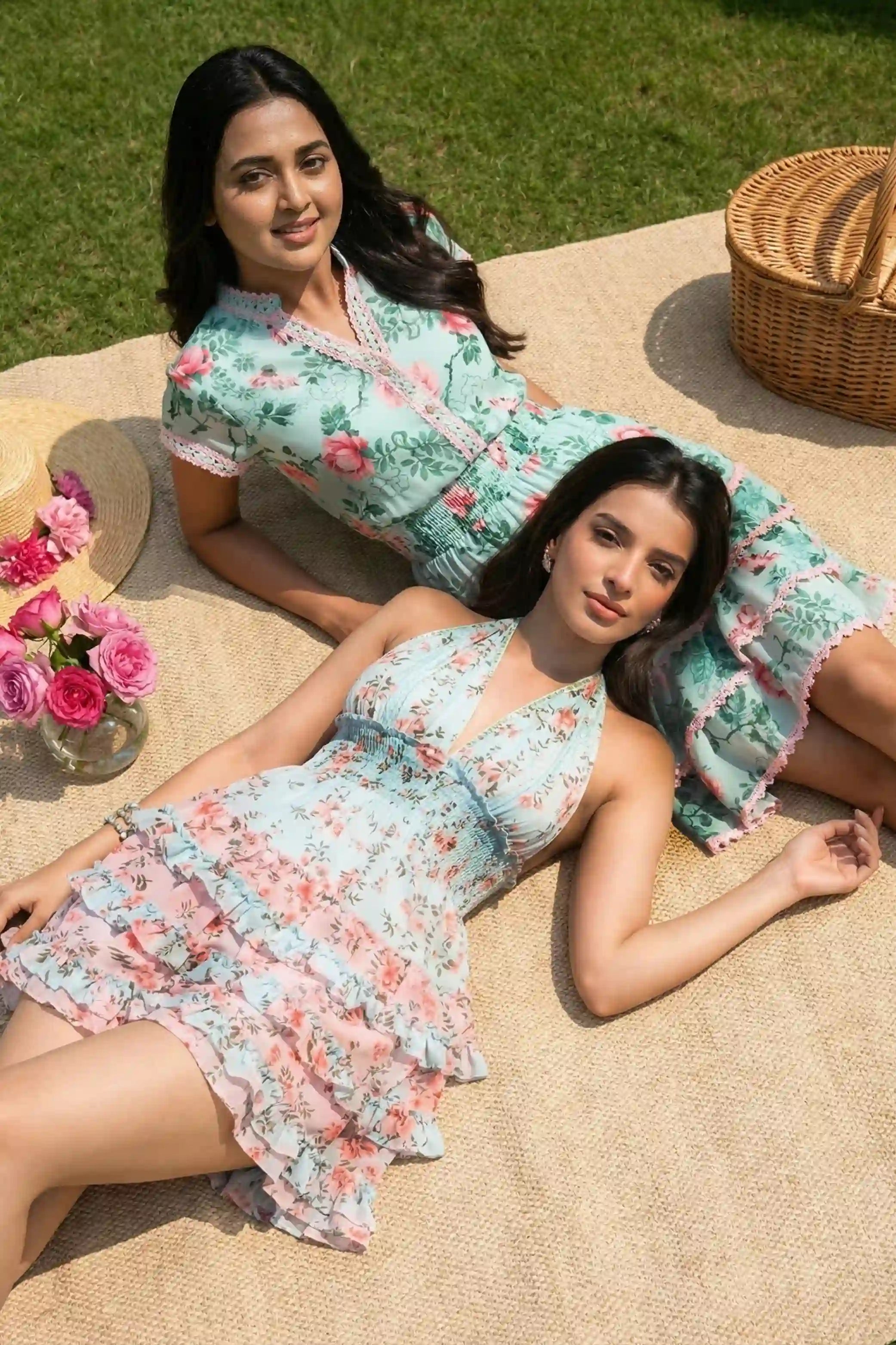
The eco-friendly fashion vs fast fashion debate is no longer just about the environment. It affects how your clothes feel, how long they last, and how much you actually spend. Women are making smarter fashion choices — choosing sustainable materials, breathable fabrics, and timeless designs that outlast a single season.
This guide breaks down both sides clearly.
| Factor | Fast Fashion | Eco-Friendly Fashion ✦ |
|---|---|---|
| Raw Material | Virgin polyester, acrylic — synthetic, non-biodegradable | Organic cotton, bamboo, linen — certified sustainable materials |
| Dyes & Finishes | Toxic dyes in clothes, chemical coatings, harsh residues | Low-impact, skin-safe, OEKO-TEX certified — no toxic chemicals |
| Production Process | High-volume, low-quality control, rushed production methods | Slow, artisan-crafted ethical production — SEDEX certified |
| Durability | Pills, fades, and loses shape within weeks | Holds its shape and colour across years of wear |
| Environment | Major source of textile waste and greenhouse gas emissions | Lower lifecycle impact — biodegradable, with recycled fabrics used where possible |
| Cost Per Wear | Cheap upfront — but expensive per wear over a short garment life | Higher upfront — far lower long term cost per wear |
| Labour | Often underpaid workers with poor conditions | Fair wages, clear ethical practice throughout the supply chain |
The Problem with Fast Fashion
Fast fashion looks affordable. But the low price comes from cutting costs at every step — cheap synthetic blends, toxic chemicals in the production process, and rushed timelines that skip quality checks entirely.
Clothes fade, pill, and fall apart quickly. What seems like a good deal becomes a recurring cost as you replace pieces again and again. And the waste adds up fast.
Fast fashion is also one of the biggest sources of greenhouse gas emissions in any consumer industry. Its reliance on virgin synthetic fibres — instead of recycled materials or certified natural alternatives — makes the environmental impact worse at every stage of a garment's short life.
 Shop Party Wear →
Why Eco-Friendly Fashion Is Worth It
Sustainable fashion brands build clothes differently. They use natural, certified sustainable materials — organic cotton, bamboo, and linen — processed using eco-safe dyes and responsible production methods.
The result is clothing that holds its shape, keeps its colour, and feels good against your skin — year after year. These are the real sustainable clothing benefits: quality that compounds over time.
Many brands also use recycled fabrics alongside natural fibres. This reduces their need for new raw material and lowers the overall environmental impact of each piece they make.
"Slow fashion vs fast fashion is simple: one builds a wardrobe that lasts. The other builds a habit that costs you more every season."
Better for Your Skin, Too

Your Skin Reacts to What You Wear
Skin is the body's largest organ. It absorbs what it contacts every day — including the chemicals in your clothes.
Fast fashion garments often carry toxic dyes in clothes and chemical coatings applied to prevent creasing during shipping. Studies link these — including azo dyes and formaldehyde treatments — to skin rashes and irritation.
Organic cotton removes these residues through certified testing. In India's heat and humidity, breathable sustainable fabrics also prevent the skin problems that synthetic blends routinely cause. This is one of the most direct sustainable clothing benefits women notice quickly.
Cost Per Wear: The Real Comparison
A higher price tag is the most common concern about ethical fashion choices. But cost per wear shows the full picture.
Replaced within weeks. Cost per wear: ₹300.
A long term investment. Cost per wear: ₹100.
Buying better means buying less. That is the idea behind capsule wardrobe essentials — a small set of high-quality pieces that work across many occasions and stay relevant season after season.
 Shop Midi Dresses →
How to Start Switching
You do not need to replace everything at once. Start with a few well-made pieces from brands with clear ethical practice and transparent production methods. Build from there.

Start with an Elegant Floral Dress
An elegant floral dress in natural organic cotton is one of the best first steps. It works for brunch, a garden event, or an evening out — no extra purchases needed.
Organic cotton breathes in heat, holds its drape after washing, and avoids the irritation that synthetic fabrics cause. These are timeless designs — built to stay in your wardrobe, not just one season.

Add a Well-Made Co-Ord Set
A beautifully tailored co-ord set gives you two pieces with many styling options. The top pairs with other bottoms. The trousers work with different shirts. One set becomes many outfits.
Pretty Pixie's co-ord range uses certified organic cotton. Where possible, recycled fabrics are added too. These sustainability practices positively impact the supply chain — from raw material sourcing to the finished piece you wear.
Building a wardrobe around quality and ethical production — rather than volume — is the real lesson of slow fashion vs fast fashion. It saves money, reduces waste, and gives you clothes you actually want to wear.
Sustainably Made Bestsellers
Each piece below uses certified organic cotton, ethical production in India, and sustainability practices that positively impact both the wearer and the world.
 Shop This Look
Best Seller · 154 Reviews
Twilight Garden Black Floral Midi Dress
MRP ₹5,397

Best Seller · 156 Reviews
Marigold Tie-Neck Ruffle Mini Dress
MRP ₹4,956
Best Seller · 153 Reviews
Coral Orange Floral Wide-Leg Jumpsuit
MRP ₹6,000
Frequently Asked Questions
What is the main difference between eco-friendly fashion and fast fashion?
Eco-friendly fashion uses sustainable materials, ethical production, and durable designs built to last. Fast fashion relies on cheap synthetic fabrics and rushed production methods, which produces low-quality clothing that breaks down quickly and adds to textile waste and greenhouse gas emissions.
Does fast fashion affect skin health?
Yes. Fast fashion clothes often contain toxic dyes in clothes and chemical finishes — including formaldehyde-based treatments — that can irritate the skin. Sustainable fabrics like organic cotton go through certified testing to remove harmful residues, making them a safer choice for daily wear.
Why is eco-friendly clothing priced higher?
The price reflects fair wages, certified raw material sourcing, recycled fabrics where possible, and better construction. These garments last far longer than fast fashion pieces — so the long term cost per wear is actually lower.
How does eco-friendly fashion support the quiet luxury trend?
Quiet luxury is about quality sustainable fabrics, clean tailoring, and timeless designs — without flashy logos. Eco-friendly fashion fits this style naturally, with premium natural materials and classic cuts that stay relevant across many seasons.
How can I build a sustainable wardrobe on a budget?
Start small. Choose capsule wardrobe essentials from sustainable fashion brands with clear sustainability practices. Buy fewer pieces, choose better quality, and stop purchasing trend-driven items you will only wear once or twice.


0 comments